
“`json
{
“title”: “Beyond the Neon: Smart Hacks for Finding Authentic and Affordable Nightlife in Japan’s Hidden Yokocho”,
“description”: “Unlock the secrets of Japan’s back-alley nightlife. Learn how to find authentic, budget-friendly yokocho, avoid tourist traps, and master local etiquette like a pro.”,
“category”: “Travel Tips”,
“tags”: [“Japan Nightlife”, “Yokocho Guide”, “Tokyo Travel Hacks”, “Japanese Food”, “Budget Travel Japan”]
}
“`
Beyond the Neon: Smart Hacks for Finding Authentic and Affordable Nightlife in Japan’s Hidden Yokocho 🏮
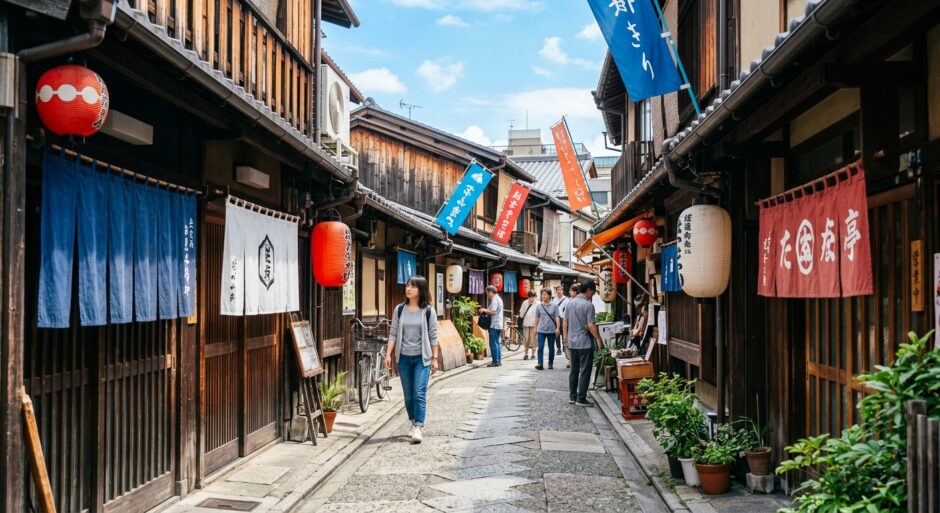
Forget the overpriced sky bars and the glitter of Roppongi. The real heart of Japanese nightlife beats in the smoke-filled, lantern-lit alleys known as Yokocho. 🍺✨
📊 Japan Hacks Dashboard: Yokocho Exploration
Authenticity Score: 10/10 💎
Budget Friendliness: High (¥1,500 – ¥3,500) 💴
Language Difficulty: Moderate (Pantomime helps!)
Vibe Meter (Difficulty Level)
*70% Skill needed: Navigating tight spaces & basic etiquette.
🏮 What Exactly is a Yokocho?
In Japanese, Yokocho (横丁) literally means “alleyway off to the side.” Historically, these were narrow paths flanking main roads where small vendors gathered post-WWII. Today, they have evolved into vibrant social hubs packed with tiny Izakayas (Japanese pubs), yakitori stalls, and standing bars.
While places like Shinjuku’s Omoide Yokocho (Memory Lane) are world-famous, they have become increasingly crowded and “tourist-priced.” To find the soul of the city, you need to step further back into the shadows.
梯子酒
Hashigo-zake (はしござけ)
“Ladder drinking.” Essentially, pub-hopping or bar-hopping from one tiny spot to the next!
🕵️♂️ Hack #1: The “Three-Alley Rule”
If you are in a major hub like Shibuya or Osaka’s Namba, the first Yokocho you see will likely have English menus, high prices, and a 45-minute wait. The “Three-Alley Rule” is simple: Walk past the main entrance, turn into the third, smaller alley you see, and look for a place where the signs are still mostly in Kanji.
Specific Case Study: In Tokyo’s Kichijoji district, many tourists flock to Harmonica Yokocho right outside the station. However, by walking just five minutes north toward the residential fringe, you’ll find “under-the-radar” standing bars like those in the Sunroad side-streets. There, a lemon sour costs ¥350 compared to the ¥700 you’ll pay in the tourist-centric main lane.
⚖️ Tourist Trap vs. Local Treasure
| Feature | Tourist Yokocho | Hidden Yokocho |
|---|---|---|
| Menu | Photo-heavy English menus | Handwritten Kanji (Use Google Lens!) |
| Seating | Waiters waving you in | Small, “stuffy” but cozy (8-10 seats) |
| Price for Beer | ¥600 – ¥900 | ¥300 – ¥500 |
| Vibe | Instagram-focused | Salaryman camaraderie |
💡 Hack #2: Reading the “Akachochin” Visual Cues
How do you know if a tiny bar is welcoming or “members only”? Look at the Akachochin (red lanterns).
- Bright and New: Likely caters to younger crowds and is beginner-friendly.
- Weathered and Sooty: The “Holy Grail.” This place has been there for 40 years. The food will be incredible, but space is tight.
- Curtain (Noren) Position: If the curtain is tucked up or removed, they are closed. If it’s hanging low, dive in.
💡 Japan Hacks Pro-Tip: The “First Drink” Rule
Never walk in and ask for a food menu first. In a busy Yokocho, the etiquette is to order a “Nama-biiru” (Draft beer) or “Highball” immediately upon sitting. This signals to the master that you’re ready to play by the rules. Food comes second!
⚡ The E-E-A-T Injection: Real-World Experience
In a manufacturing-heavy area of Nagoya near Kanayama Station, I once found a Yokocho where the “bars” were actually just modified shipping containers. By following a group of local factory workers, I discovered a spot that served Miso-katsu skewers for ¥100 each.
The lesson? Authenticity often hides near major transport hubs that aren’t “Shinjuku” or “Shibuya.” Look for “Salaryman Sanctuaries” near stations like Ueno, Shimbashi (Tokyo), or Kyobashi (Osaka). These areas rely on repeat local business, keeping prices low and quality high.
Watch the “Otoshi” (Cover Charge)
Most Yokocho bars will serve you a tiny appetizer (like edamame or potato salad) without you ordering it. This is the Otoshi. It is a mandatory table charge (usually ¥300 – ¥500). Don’t send it back—it’s part of the culture and covers the “rent” for your seat!
🏯 Top 3 “Smart Choice” Yokocho for Your List
- Nonbei Yokocho (Shibuya): Despite being in Shibuya, it retains a “Drunkard’s Alley” vibe. Smaller than Golden Gai, but much more intimate.
- Hozenji Yokocho (Osaka): Beautiful cobblestone paths near Dotonbori. It feels like a movie set but hosts some of the best Kushikatsu in the city.
- Miyataya Yokocho (Ueno): Gritty, loud, and incredibly cheap. Perfect for those who want a raw, unpolished Tokyo experience.
🤔 Frequently Asked Questions
Q: Do I need to speak Japanese?
A: Not fluently. “Sumimasen” (Excuse me), “Nama hitotsu” (One beer), and “Okaikei” (Check, please) will get you through 90% of your night.
Q: Can I pay with a credit card?
A: In hidden Yokocho, Cash is King. Many of these shops are decades old and don’t have digital terminals. Always carry ¥1,000 and ¥5,000 notes.
Q: Is it okay to stay for three hours?
A: Generally, no. Yokocho bars are for “Hashigo-zake” (hopping). Have two drinks, two snacks, and move to the next spot to let others have a seat!
The neon of Japan is beautiful, but the true magic happens in the shadows of the alleyways. Grab your coat, keep your voice at a respectful level, and go find your new favorite hidden gem! 🌙🍻