
“`json
{
“title”: “5 Common Mistakes That Will Ruin Your Shoes and Sanity During Japan’s Rainy Season”
}
“`
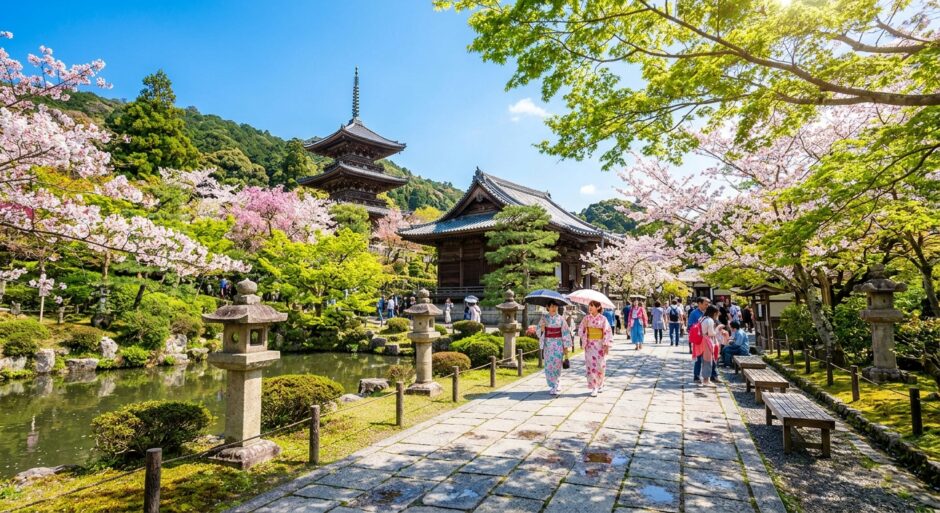
🌸 🏯 🍜 So, you’ve finally booked your dream trip to Japan… only to realize you’ve landed right in the middle of Tsuyu. Don’t panic! While the rainy season can be a literal dampener, it’s also one of the most beautiful times to see the mossy temples of Kyoto or the neon reflections of Shinjuku.
5 Common Mistakes That Will Ruin Your Shoes and Sanity During Japan’s Rainy Season
Japan’s rainy season (typically June to mid-July) isn’t just about a light drizzle. It’s a humid, persistent, and shoe-destroying phenomenon. As the Creative Director of Japan Hacks, I’ve seen countless travelers shuffle through Tokyo with soaked socks and “wet dog” energy. To ensure your trip remains more “Zen” and less “Soggy,” we’ve compiled the ultimate guide to avoiding the pitfalls of the Japanese monsoon.
📊 Japan Hacks: Rainy Season Dashboard
85% +
Infinite ♾️
Advanced Prep Needed
👟 1. Mistake: Wearing Your Favorite Suede or Canvas Kicks
We get it—you want to look “Harajuku-ready” in your photos. But bringing white canvas sneakers or high-end suede boots to Japan in June is a recipe for heartbreak. Between the puddles and the splashing from heavy foot traffic, your shoes will be gray and soggy within 24 hours.
Shoe Survival Probability (Tsuyu Edition)
95%
60%
25%
5%
The Smart Hack: If you don’t want to pack heavy rain boots, visit an ABC-Mart (Japan’s ubiquitous shoe store) the moment you arrive. Look for “Waterproof” (防水 – Bōsuī) sneakers or buy a can of high-quality waterproofing spray.
💡 Pro-Tip: The “Ametas” Advantage
Ask for Columbus AMEDAS spray at any Tokyu Hands or Loft. It creates a molecular shield on leather and fabric that makes water bead off like magic. One 1,500 yen bottle can save 50,000 yen shoes!
🌂 2. Mistake: The “Wet Umbrella” Cultural Faux Pas
In many Western countries, you just walk into a shop and shake your umbrella. In Japan, doing this makes you the public enemy number one. Puddles on shop floors are seen as a safety hazard and a sign of poor manners.
⚠️ MANNER ALERT: The Kasabukuro Protocol
When entering a department store or mall, look for the Kasabukuro (umbrella plastic bag) dispenser. Slip your umbrella in before you enter. If you see a “locking rack” (common in museums), use it! It’s considered rude to carry a dripping umbrella through aisles where it might touch someone’s clothing.
🔥 3. Mistake: Using a Hair Dryer to Dry Wet Shoes
It’s 11 PM, your shoes are soaked, and you have a tour tomorrow at 8 AM. Your first instinct is to blast them with the hotel hair dryer. Stop! Excessive heat can warp the glue in sneakers and crack leather, effectively ruining your footwear for good.
Real-World Insight: “I once saw a traveler at the Hotel Gracery Shinjuku (the famous Godzilla hotel) melt the soles of their designer Nikes by leaving them too close to a space heater. In response, many smart business hotels like Dormy Inn or Super Hotel now offer specialized shoe-drying machines (Kutsu-Kansōki) in their amenity areas. Always check the lobby before you resort to DIY methods!”
The Smart Hack: Use the “Newspaper Method.” Crumple up sheets of newspaper and stuff them tightly into your shoes. Replace the paper every 2 hours. Newspaper is incredibly absorbent and pulls moisture out without damaging the material. Most hotel front desks will give you a day-old newspaper for free if you ask!
梅雨 (Tsuyu)
Pronounced: Tsoo-yoo
Literally “Plum Rain.” It refers to the rainy season when plums ripen. Sounds poetic, feels soggy!
🍄 4. Mistake: Underestimating “Kabi” (Mold) in Your Luggage
Japanese humidity is a different beast. If you throw a damp shirt or wet socks into your suitcase and close it for three days while you travel from Tokyo to Osaka, you aren’t just bringing clothes—you’re starting a science experiment.
Kabi (mold/mildew) thrives in the dark, damp environment of a suitcase. To prevent your entire wardrobe from smelling like a basement, you need a moisture strategy.
| The Gear | Why You Need It | Where to Buy |
|---|---|---|
| Silica Gel Packs | Absorbs moisture inside your suitcase. | Daiso (100 Yen Store) |
| Dry-Sacks | Keeps wet laundry separate from dry gear. | Montbell or Loft |
| Deodorizing Spray | Kills bacteria that cause “wet” smells. | FamilyMart / Lawson |
📉 5. Mistake: Relying on 500-Yen Vinyl Umbrellas
The clear vinyl umbrella (Kasas) is an icon of Tokyo. They are cheap, available at every 7-Eleven, and great in a pinch. However, if you are doing a full day of sightseeing at Fushimi Inari or Nara Park, these cheap umbrellas are a nightmare.
They are heavy, they break in the wind, and because everyone has the same one, they are constantly “accidentally” stolen from umbrella racks.
The Smart Hack: Invest in a high-quality, ultra-lightweight foldable umbrella from Wpc. or Uniqlo. These are often lighter than a smartphone, UV-coated (for the sun that inevitably follows the rain), and can be tucked into your bag easily, leaving your hands free for street food and photos.
🤔 Frequently Asked Questions
Q: Should I bring a raincoat or an umbrella?
A: In Japan, umbrellas are king. Because of the high humidity, wearing a raincoat (unless it’s high-end breathable Gore-Tex) will make you sweat profusely, leaving you just as wet inside as outside.
Q: Is it okay to use my umbrella on a bicycle?
A: Technically, it is illegal in many prefectures to hold an umbrella while cycling for safety reasons. Most locals use “umbrella holders” attached to the handlebars or simply wear a poncho while biking.